


15 Best Places to Visit in Brazil From Hidden Paradises to Urban Rhythms
June 17, 2026
Brazil is a destination that defies simple description. It is a country of continental proportions, the fifth largest in the world, where the Amazon rainforest meets bustling metropolises and pristine beaches stretch for thousands of miles. Its diversity is staggering, a rich tapestry woven from indigenous roots, Portuguese colonialism, and vibrant African influences. To truly know Brazil is to understand it is not one place, but many, each region possessing its own unique climate, culture, and rhythm.
Before we dive in, here are a few essential Brazilian expressions you'll hear everywhere:
| Expression | Pronunciation | Meaning | When to Use |
|---|---|---|---|
| Tudo bem? | TOO-doo BENG | "All good?" | The most common greeting—use it everywhere |
| Valeu! | va-LAY-oo | "Thanks!" / "Cheers!" | Informal thank you, very popular among friends |
| Legal! | le-GAL | "Cool!" / "Awesome!" | Expressing approval or excitement |
| Puxa vida! | POO-sha VEE-da | "Oh my!" / "Wow!" | Surprise or frustration (mild) |
| Com certeza | kong ser-TAY-za | "For sure!" / "Absolutely!" | Agreeing enthusiastically |
| Que saudade! | keh sow-DAH-jee | "I miss it/you!" | Expressing longing—a deeply Brazilian feeling |
| Fica tranquilo(a) | FEE-ka tran-KEE-lo(a) | "Relax" / "Don't worry" | Reassuring someone |
| É isso aí! | eh EE-soo ah-EE | "That's it!" / "Exactly!" | Agreement or encouragement |
| Beleza? | be-LE-za | "All good?" / "Got it?" | Literally "beauty"—used to check understanding |
| Vamos nessa! | VA-moos NESS-a | "Let's go!" | Starting an adventure |
Keep these in your back pocket—they'll open doors and hearts across this incredible country.
The 15 Best Places to Visit
1. Jericoacoara, Ceará: The Dune Town That Time Forgot

This is not your typical beach town. "Jeri," as it's affectionately known, operates on its own terms. There are no paved roads—just sandy streets and cobblestoned footpaths, and cars are virtually non-existent. Located on Brazil's northeastern coast, it is an isolated paradise, a national park of towering sand dunes, crystal-clear lagoons, and wild beaches.
- Special Feature: The daily sunset ritual at the Duna do Pôr do Sol (Sunset Dune) is a legendary experience. Travelers and locals alike climb the dune each evening to watch the sun sink into the ocean, often breaking into spontaneous applause as it disappears. "Que saudade!" you'll hear people say as they watch the last light fade.
- What to Do: It's a world-class destination for kitesurfing due to its consistent winds. You can also explore the stunning Lagoa do Paraíso (Paradise Lagoon) and Lagoa Azul (Blue Lagoon) for a swim.
- Popular Markets: The town itself is small, but the local artisans sell their wares in the sand streets.
- Popular Food: Try "peixe frito" (fried fish) or a hearty "baião de dois" (rice and beans with cheese and meat) at a local spot like Bar do Alexandre. After your meal, say "Valeu!" to the chef.
- Movie Shooting: Jericoacoara's unique landscape is a frequent setting for Brazilian films and telenovelas.
- Best Time to Visit: July to December—dry season with perfect winds.
- Travel Fare: Mid-range, but the remoteness makes access a bit pricier.
- What to Carry: Cash (many places don't accept cards), sunscreen, insect repellent, and a flashlight for walking the sandy streets at night.
- What to Avoid: Don't expect luxury or paved roads; embrace the rustic, laid-back vibe. The final leg of the journey is a bumpy 4x4 ride over the dunes, which is all part of the adventure. "Fica tranquilo" —it's worth it.
2. Jalapão, Tocantins: The Savanna's Best-Kept Secret

Deep in the remote state of Tocantins lies Jalapão, a visual masterpiece of the Brazilian cerrado (savanna). It's a land of enormous orange sand dunes, clear-water rivers, and a truly unique natural phenomenon.
- Special Feature: The Fervedouros. These are crystal-clear underground springs that bubble up through the pink sand with such pressure that you float effortlessly on the surface, impossible to sink. They feel like something from another planet. "Legal!" is all you'll be able to say.
- What to Do: Visit the Cachoeira da Velha (waterfall) and watch the sunset from the Duna do Pôr do Sol. Hiking and 4x4 tours are essential for exploring the park.
- Popular Markets: None. This is raw nature.
- Popular Food: Simple regional fare like grilled meats and fish served in the small towns of Mateiros and São Félix.
- Movie Shooting: Its striking landscape has been featured in several Brazilian adventure films.
- Best Time to Visit: May to September—dry season when roads are passable.
- Travel Fare: Moderate to high, due to the cost of guided 4x4 tours.
- What to Carry: A reliable 4x4 is non-negotiable. Bring plenty of water, snacks, a first-aid kit, and a camera with extra batteries.
- What to Avoid: Avoid the rainy season (October to April), as the dirt roads become impassable. There is virtually no cell signal, so prepare for a digital detox. "Fica tranquilo" —disconnecting is part of the magic.
3. Bonito, Mato Grosso do Sul: The Clear Waters of Brazil

Bonito, meaning "beautiful" in Portuguese, is an ecotourism haven in southwestern Brazil. Its fame rests on its astonishingly clear, turquoise rivers, creating an underwater paradise for snorkelers and divers.
- Special Feature: The Rio da Prata (Silver River) and Sucuri River offer some of the clearest water on Earth. Snorkeling here is like floating in a giant, pristine aquarium, surrounded by thousands of fish and aquatic plants. "Que beleza!" you'll gasp as you float.
- What to Do: Snorkeling is the main draw. You can also explore the Abismo Anhumas, a spectacular underground cave, and visit numerous waterfalls.
- Popular Markets: The town of Bonito has a small artisan market, but it is mostly a base for tours.
- Popular Food: A "prato feito" (daily plate) is a standard and reliable meal.
- Movie Shooting: Bonito is more famous for documentaries than feature films, highlighting its pristine nature.
- Best Time to Visit: April to October—dry season with clearest waters.
- Travel Fare: Moderate. All nature activities require a certified guide, which adds to the cost but is crucial for conservation.
- What to Carry: Underwater camera, biodegradable sunscreen and insect repellent, water shoes.
- What to Avoid: Don't go without booking tours in advance, especially in high season. Also, avoid wearing regular sunscreen as it harms the delicate ecosystem. "Com certeza" book ahead!
4. Lençóis Maranhenses, Maranhão: The Surreal Desert of Lagoons

No photograph can fully prepare you for the sheer surrealism of Lençóis Maranhenses. This isn't a desert of sand, but of water. Between the vast, sweeping white dunes, thousands of freshwater lagoons form during the rainy season, creating an impossible landscape of blue and green pools stretching to the horizon.
- Special Feature: The formation of the lagoons themselves. The park is a natural wonder where water and sand create a seasonally shifting masterpiece. "Puxa vida!" —that's the only response.
- What to Do: Take a jeep tour from the gateway town of Barreirinhas to visit the most famous lagoons, like Lagoa Bonita, especially at dawn for an ethereal light show.
- Popular Markets: Small local markets in Barreirinhas.
- Popular Food: Fresh fish and shellfish are the local staples.
- Movie Shooting: The landscape has been featured in various international documentaries.
- Best Time to Visit: July to September—when lagoons are at their fullest.
- Travel Fare: Moderate to high, requiring a flight to São Luís and a transfer to Barreirinhas.
- What to Carry: Lightweight clothing, a hat, sunglasses, and lots of sunscreen. A good camera is essential.
- What to Avoid: Avoid visiting during the rainy season (January to June) when the lagoons can be inaccessible, or the dry season (September onwards) when they begin to evaporate. "Vamos nessa!" in July for the best experience.
5. Alter do Chão, Pará: The Caribbean of the Amazon
Imagine white-sand beaches and turquoise water not in the Caribbean, but in the heart of the Amazon Rainforest. This is the magic of Alter do Chão, a small village on the banks of the Tapajós River.
- Special Feature: During the dry season, the river drops, revealing the Ilha do Amor (Island of Love) , a stunning sand spit in the middle of the river. The water is so clear and warm it feels like a tropical sea, but you're surrounded by jungle.
- What to Do: Swim, take boat tours, go piranha fishing, and try to spot the pink river dolphins.
- Popular Markets: The village itself is small and offers local handicrafts.
- Popular Food: Fresh river fish like tambaqui, often cooked on the beach.
- Movie Shooting: A popular spot for nature documentaries.
- Best Time to Visit: September to February—dry season with exposed beaches.
- Travel Fare: Budget to moderate.
- What to Carry: Light clothing, a good book for the hammock, and cash.
- What to Avoid: Avoid the high-water season (February to May) when the beaches are submerged.
6. Chapada dos Veadeiros, Goiás: Cosmic Crystal Highlands

This UNESCO World Heritage Site in central Brazil is a sanctuary of immense natural beauty and a hub for those seeking a connection with nature and spirituality. It sits on one of the world's largest deposits of rock crystal, giving the region a special, "energético" feel that many travelers are drawn to.
- Special Feature: The spectacular waterfall circuit within the national park, and the Vale da Lua (Moon Valley) , an otherworldly landscape of grey, smoothly eroded rock.
- What to Do: Hiking to discover the numerous waterfalls like Cachoeira dos Couros and the twin São Bento waterfalls is the main activity.
- Popular Markets: The town of Alto Paraíso de Goiás is a center for alternative therapies and has local artisan markets.
- Popular Food: Healthy, organic, and vegetarian-friendly cuisine is common in Alto Paraíso.
- Movie Shooting: Has appeared in Brazilian nature films.
- Best Time to Visit: May to September—dry season for hiking.
- Travel Fare: Moderate. A car is recommended for exploring the park.
- What to Carry: Good hiking boots, a reusable water bottle, and an open mind.
- What to Avoid: Don't get caught in the wet season (December to March) when many trails are closed.
7. Iguaçu Falls, Paraná: The Misty Giant

One of the world's great natural wonders, Iguaçu Falls is a breathtaking spectacle of 275 waterfalls thundering over a 2.7-kilometer-wide cliff on the border with Argentina. It's a masterpiece of nature that feels almost overwhelming in its power and beauty. "Que espetáculo!" you'll whisper.
- Special Feature: The Devil's Throat (Garganta do Diabo) , the most powerful and impressive section of the falls. A visit to both the Brazilian and Argentine sides is recommended for a complete experience.
- What to Do: Walk the park's walkways, take a thrilling boat ride to the base of the falls, and enjoy a helicopter flight for a panoramic view.
- Popular Markets: Foz do Iguaçu has markets selling local crafts, but the falls are the main attraction.
- Popular Food: The region is known for its barbecue and "barreado," a slow-cooked beef stew.
- Movie Shooting: The falls have been featured in numerous films, including "Indiana Jones and the Kingdom of the Crystal Skull" and "The Mission."
- Best Time to Visit: April to June or September to November—pleasant weather, good water levels.
- Travel Fare: Moderate to high.
- What to Carry: A rain jacket (you will get wet!), a waterproof camera, and sunscreen.
- What to Avoid: Avoid visiting during the winter (June-August) when water levels can be lower.
8. Rio de Janeiro: The Marvelous City
![20 Unmissable Things To Do In Rio De Janeiro, Brazil [2026 Update]](data:image/svg+xml;base64,PHN2ZyB4bWxucz0iaHR0cDovL3d3dy53My5vcmcvMjAwMC9zdmciIHdpZHRoPSI2NzkiIGhlaWdodD0iNDUyIiB2aWV3Qm94PSIwIDAgNjc5IDQ1MiI+PHJlY3Qgd2lkdGg9IjEwMCUiIGhlaWdodD0iMTAwJSIgc3R5bGU9ImZpbGw6I2NmZDRkYjtmaWxsLW9wYWNpdHk6IDAuMTsiLz48L3N2Zz4=)
Rio de Janeiro is not just a city; it's a state of mind. With its iconic beaches, dramatic granite mountains, and vibrant culture, it has one of the most beautiful urban settings on Earth. It is the quintessential Brazilian destination. "Tudo bem?" the locals will ask with a smile. "Tudo!" you'll reply.
- Special Feature: The Christ the Redeemer statue and Sugarloaf Mountain , which offer breathtaking views of the sprawling metropolis.
- What to Do: Relax on Copacabana and Ipanema beaches, visit the Selarón Steps , explore the historic Santa Teresa neighborhood, and immerse yourself in the energy of the Lapa nightlife district.
- Popular Markets: The Feira Hippie de Ipanema (Hippie Fair) is a great place for arts and crafts on Sundays.
- Popular Food: Street food is king, including pastel, coxinha, pão de queijo, and açaí na tigela. For a full meal, a traditional feijoada on a Saturday is a must. "É isso aí!" —that's the spirit!
- Movie Shooting: Countless films, including the Oscar-winning "City of God" and the James Bond film "Moonraker."
- Best Time to Visit: September to November or March to May—pleasant weather, fewer crowds.
- Travel Fare: High, especially in peak season (December-March).
- What to Carry: Lightweight, casual clothing (Havaianas are a must), sunscreen, and a bottle of água de coco (coconut water) from a beach vendor.
- What to Avoid: Avoid flashing valuables or wearing expensive jewelry, especially in crowded areas. Do not walk alone in poorly lit areas at night. "Fica tranquilo" —just be smart.
9. São Paulo: The Global Metropolis
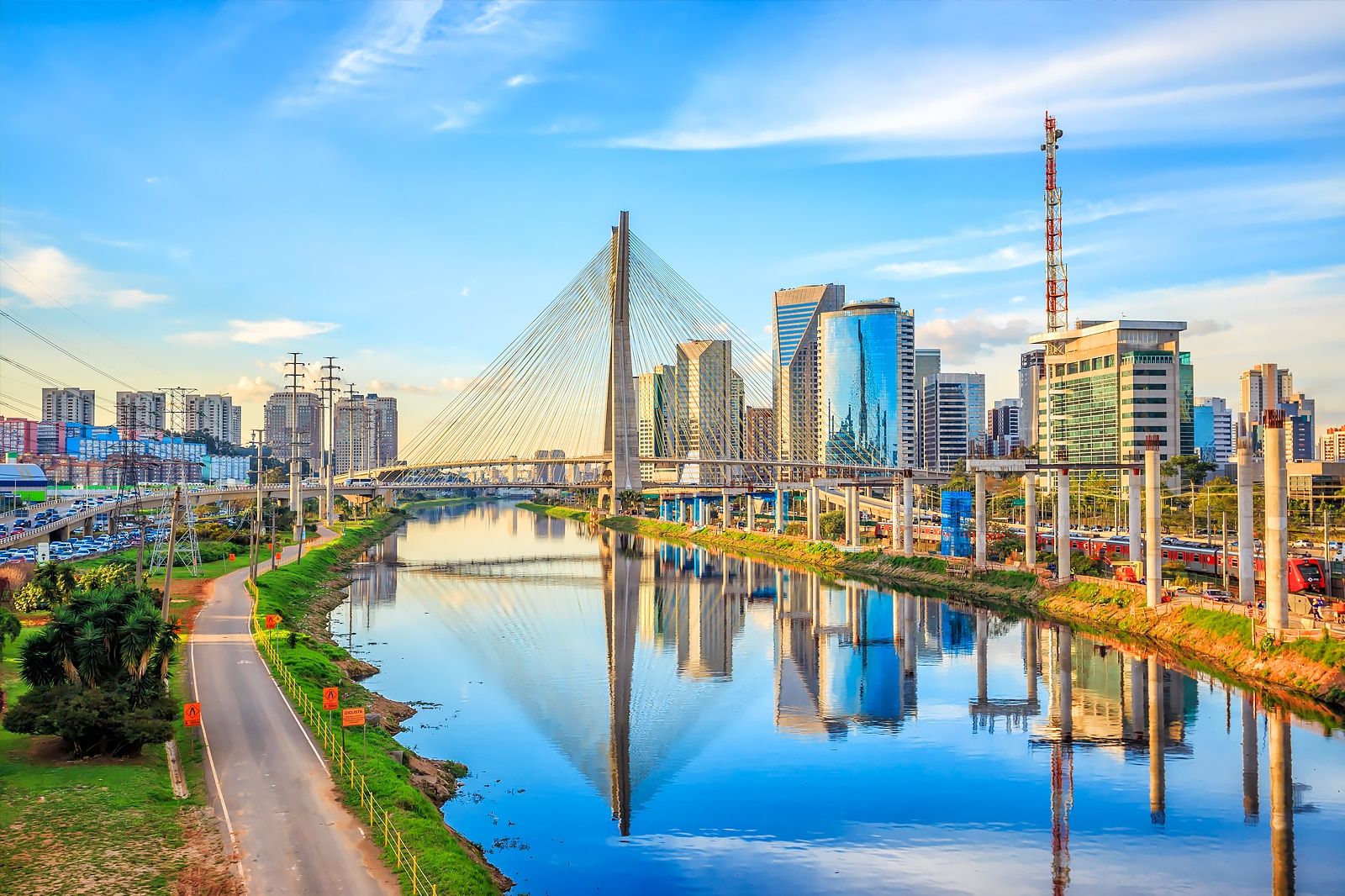
Brazil's largest city is a colossal, bustling economic and cultural hub. With a population of over 20 million in its metropolitan area, São Paulo is a melting pot of cultures, from Italian and Japanese to Lebanese and Portuguese, all of which influence its incredible gastronomy and art scene.
- Special Feature: The city's sheer size and diversity. It's home to the largest Japanese diaspora outside Japan and the largest Italian population outside Italy, making its food scene world-class.
- What to Do: Visit the São Paulo Museum of Art (MASP) , stroll down Avenida Paulista , relax in Ibirapuera Park , and explore the vibrant street art in Batman Alley .
- Popular Markets: The Mercado Municipal (Municipal Market) is an explosion of sights, sounds, and smells, where you can try exotic fruits and a famous mortadella sandwich.
- Popular Food: A world of cuisine is at your fingertips. Be sure to try a pizza from an Italian neighborhood like Bixiga or a "pastel" from a street market.
- Movie Shooting: As Brazil's film and television hub, it has been featured in countless productions.
- Best Time to Visit: April to June or September to November—mild weather.
- Travel Fare: Moderate to high. It's a city of extremes.
- What to Carry: A city map, a metro card, and comfortable walking shoes.
- What to Avoid: Avoid going to unfamiliar or isolated areas at night. Be vigilant in crowded areas.
10. Salvador, Bahia: The Afro-Brazilian Heart

Salvador is the beating heart of Afro-Brazilian culture. Brazil's first capital, the city is a vibrant fusion of African, Portuguese, and Indigenous influences, most evident in its music, food, and religion. "Axé!" —the local greeting of energy and blessings.
- Special Feature: The Pelourinho neighborhood, its UNESCO-listed historic center, is a maze of colorful colonial buildings, intricate churches, and cobblestone streets where the rhythm of samba and capoeira fills the air.
- What to Do: Explore Pelourinho, attend a capoeira performance, and visit the many colonial churches.
- Popular Markets: The Mercado Modelo is a historic market perfect for souvenirs.
- Popular Food: This is the home of moqueca (a seafood stew) and acarajé (a black-eyed pea fritter), must-try dishes.
- Movie Shooting: The vibrant atmosphere has made it a popular setting for Brazilian cinema.
- Best Time to Visit: September to February—warm and dry.
- Travel Fare: Moderate.
- What to Carry: Lightweight, breathable clothing.
- What to Avoid: Like Rio, avoid walking alone at night in quiet or poorly lit areas and be aware of your surroundings.
11. Florianópolis, Santa Catarina: The Island of Magic

Known affectionately as "Floripa," this vibrant city and island in southern Brazil is famed for its stunning beaches and high quality of life. It's a place for nature lovers and surfers. "Beleza?" they'll ask. "Beleza!" you'll reply.
- Special Feature: Its diverse coastline with over 40 beaches, from bustling tourist spots to secluded, wild coves.
- What to Do: The main activities are surfing, hiking, paragliding, and relaxing on beautiful beaches like Lagoinha do Leste and Praia Mole .
- Popular Markets: The city center has a historic market.
- Popular Food: Fresh seafood and oysters are the local specialties.
- Movie Shooting: Has appeared in Brazilian films.
- Best Time to Visit: December to March—summer heat for beach lovers.
- Travel Fare: Moderate to high.
- What to Carry: Beachwear and hiking gear.
- What to Avoid: Avoid the Brazilian winter (June-August) if you plan to swim, as the ocean can be cold.
12. Paraty, Rio de Janeiro: A Colonial Time Capsule

Paraty is a beautifully preserved colonial town nestled between the sea and the mountains on the Costa Verde. It's a UNESCO World Heritage site, famed for its charm and setting.
- Special Feature: Its cobblestone streets that flood dramatically during high tide, and the lush Atlantic rainforest that surrounds it.
- What to Do: Explore the historic center by foot, take a boat tour to nearby islands, and discover the numerous waterfalls, like the Tobogã Waterfall .
- Popular Markets: Local artisans sell their wares in the historic center.
- Popular Food: Fresh seafood is abundant.
- Movie Shooting: The colonial architecture has made it a popular filming location.
- Best Time to Visit: April to June or September to November—pleasant weather.
- Travel Fare: Moderate.
- What to Carry: Comfortable walking shoes and a water bottle.
- What to Avoid: Avoid the holiday seasons when the town becomes very crowded.
13. Ouro Preto, Minas Gerais: The Baroque Masterpiece
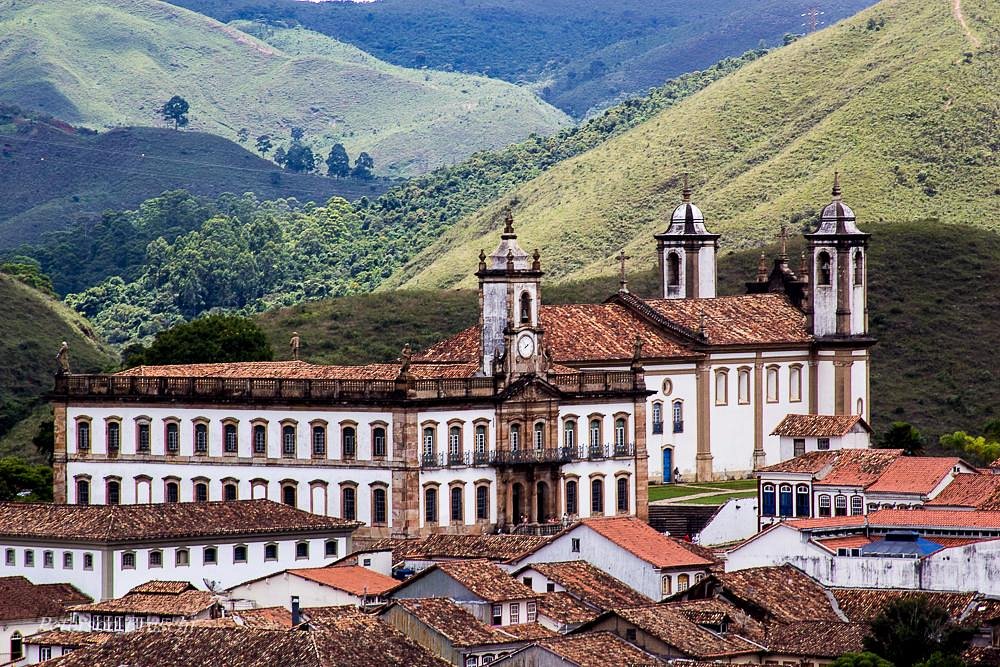
Deep in the mountains of Minas Gerais, Ouro Preto is a colonial city and a UNESCO World Heritage site that is a stunning monument to Brazil's gold rush era. It was the epicenter of the Inconfidência Mineira, a Brazilian independence movement.
- Special Feature: Its churches, especially the Church of São Francisco de Assis , are masterpieces of Brazilian Baroque, filled with intricate gold-leafed carvings by the famous sculptor Aleijadinho.
- What to Do: Visit the numerous opulent churches, explore the old gold mines (like the Mina da Passagem), and wander the steep, winding streets of the UNESCO-protected historic center.
- Popular Markets: The town has a craft market in its main square.
- Popular Food: Food is hearty here; try the local "feijão tropeiro" (a beans and pork dish) and "pão de queijo" for a snack. "Com certeza" you'll want seconds.
- Movie Shooting: A common setting for historical films.
- Best Time to Visit: April to October—mild and dry.
- Travel Fare: Moderate.
- What to Carry: Good walking shoes for steep hills.
- What to Avoid: The city's streets can be slippery when it rains.
14. Fernando de Noronha, Pernambuco: The Dream Archipelago

This remote volcanic archipelago is a protected nature sanctuary of unimaginable beauty, with pristine beaches, crystal-clear waters, and thriving marine life.
- Special Feature: It's a breeding ground for marine turtles, sharks, and rays, making it one of the best diving spots in the world. One of its beaches, Baía do Sancho , is often voted the best in the world. "Puxa vida!" —it's that incredible.
- What to Do: The main draw is diving and snorkeling to see the colorful fish and sea turtles.
- Popular Markets: No significant markets due to the island's protected status.
- Popular Food: Seafood is the staple.
- Movie Shooting: The location is often used in nature documentaries.
- Best Time to Visit: August to December—warm, clear waters, less rain.
- Travel Fare: High. Access is regulated and a daily tourist tax applies.
- What to Carry: Underwater camera, reef-safe sunscreen, and a credit card.
- What to Avoid: Avoid the rainy season (January-July) and be aware of the strict environmental regulations and fees.
15. Manaus, Amazonas: The Heart of the Rainforest
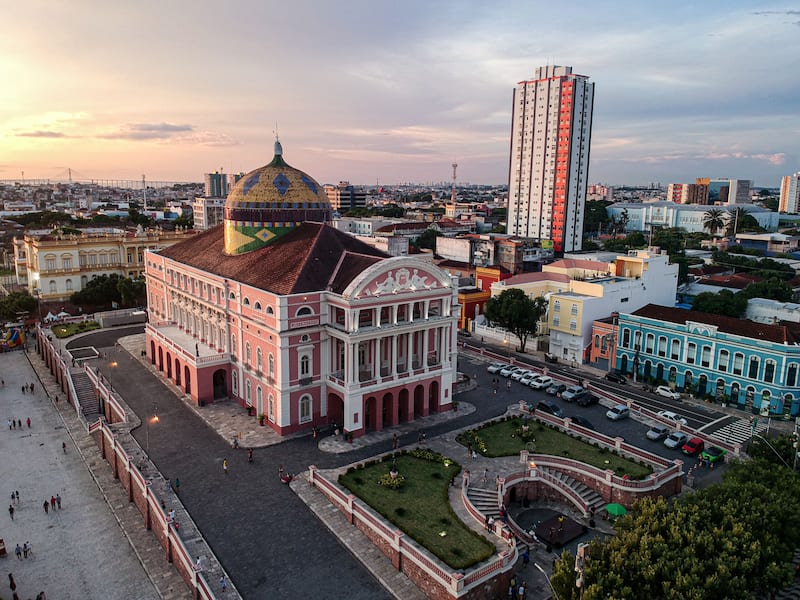
The capital of the state of Amazonas is the primary gateway to the world's largest rainforest. It is a city of contrasts, where an opulent opera house stands in the middle of the jungle, a relic of the rubber boom. "Vamos nessa!" —into the wild.
- Special Feature: The Meeting of the Waters , where the dark Rio Negro and the muddy Rio Solimões run side by side for miles without mixing, is a spectacular sight.
- What to Do: The main activity is taking tours into the Amazon jungle from Manaus, staying in remote jungle lodges.
- Popular Markets: The Mercado Municipal Adolpho Lisboa is a beautiful Art Nouveau building selling exotic goods.
- Popular Food: Amazonian cuisine uses exotic fish like tambaqui and pirarucu , as well as unique ingredients like tucupí and jambú leaves.
- Movie Shooting: The setting for many adventure films like "Fitzcarraldo" and "The Emerald Forest."
- Best Time to Visit: July to November—dryer season for better jungle access.
- Travel Fare: Moderate to high.
- What to Carry: A hammock, long-sleeved clothing for mosquitoes, binoculars, and a sense of adventure.
- What to Avoid: Don't buy any endangered species products.
The Ultimate Brazil Travel Guide
The Best Time to Visit Brazil
There is no single "best" time to visit Brazil. The country's continental size means its regions experience different climates. Your ideal timing depends entirely on your priorities.
- For Carnaval and Beaches (December to March): This is the Southern Hemisphere summer, bringing hot, sunny weather to the coast. It is peak season, with the world-famous Carnival in February or March and the biggest crowds. Expect high prices.
- For Wildlife and Adventures (July to September): The dry season is the ultimate time for wildlife viewing in the Pantanal and for trekking in the Amazon. The Pantanal's receding waters concentrate animals, making jaguar sightings more likely.
- The Sweet Spot Shoulder Seasons (April to June & September to November): These months offer a wonderful balance of good weather, fewer crowds, and lower prices. The intense summer heat has faded, making city exploration more comfortable.
What to Eat: A Culinary Journey
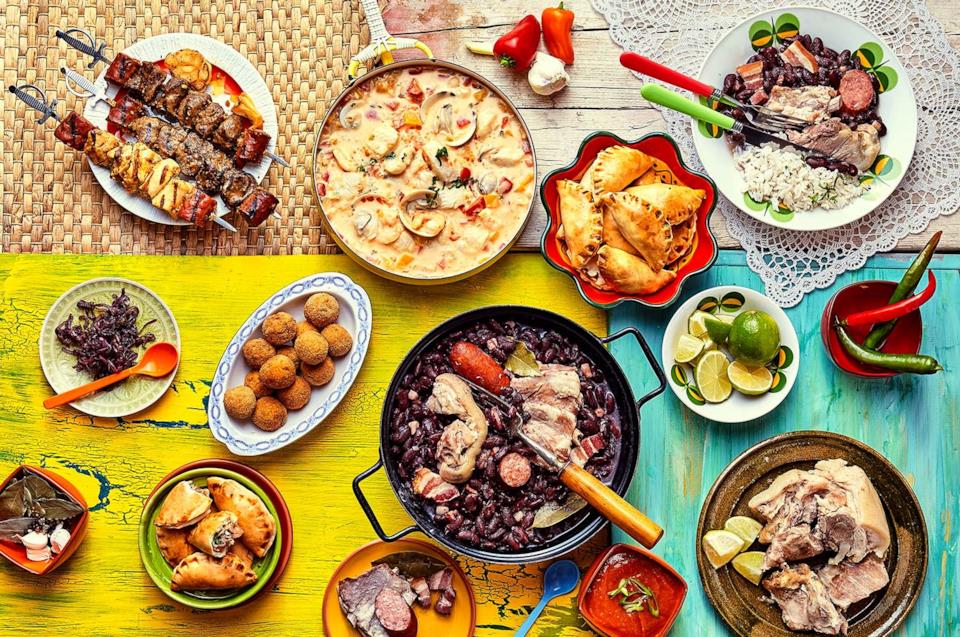
Brazilian cuisine is as diverse as its culture. Here are some non-negotiables:
- Feijoada: The national dish, a rich, hearty stew of black beans and pork, traditionally served on Saturdays with rice, collard greens, and farofa.
- Moqueca: A delicious, fragrant seafood stew from Bahia made with coconut milk, tomatoes, onions, garlic, and coriander.
- Street Food: Don't miss pastel (fried pastries), pão de queijo (cheese bread), and coxinha (chicken croquettes).
- Drinks: You must try a caipirinha (Brazil's national cocktail made with cachaça, lime, and sugar) and água de coco (coconut water) from a beach vendor. When toasting, say "Saúde!" (Cheers to your health!).
What to Avoid and What to Carry
What to Avoid:
- Don't drink the tap water. Stick to bottled or filtered water.
- Avoid flashing valuables. In major cities, avoid wearing expensive jewelry or showing off your phone in crowded areas to prevent pickpocketing.
- Don't walk alone at night. Stick to well-lit, populated areas, especially in big cities. Use Uber or official taxis for transportation at night.
- Don't rely solely on credit cards. Carry cash (Brazilian Real) for small vendors and beach kiosks.
What to Carry:
- Currency: The Brazilian Real (R$). Exchange money at ATMs from major banks for the best rates.
- Safety Essentials: A universal travel adapter (Brazil uses Type N plugs), comprehensive travel insurance, and a yellow fever vaccination certificate (recommended for the Amazon).
- Packing List: Pack lightweight clothes for warm weather (Havaianas flip-flops are a must), a light rain jacket, sturdy walking shoes, and a reusable water bottle. For the Amazon or Pantanal, add long sleeves, closed-toe shoes, and binoculars.
Your Brazilian Journey Awaits
Brazil is a land of immense beauty, rhythm, and life. From the thundering cascades of Iguaçu to the silent, floating springs of Jalapão, it is a country that invites you to not just visit, but to experience. Use this guide as a starting point, pick the destinations that speak to you, and prepare for an adventure that will linger in your soul long after you've returned home.
"Valeu!" for reading. "Vamos nessa!" —let's go explore Brazil.
Keywords
15 best places to visit in Brazil, best places to visit in Brazil, top destinations in Brazil, Brazil travel itinerary, Brazil vacation spots, places to visit in Brazil, best Brazil travel destinations, Brazil travel guide, best time to visit Brazil, Brazil hidden paradises, urban rhythms Brazil, Brazil tourist attractions, Brazil hidden gems, places to travel in Brazil for first timers, Brazil bucket list places, beautiful places in Brazil, top beaches in Brazil, Brazil cultural travel
 Shanghai City & Event Guide Business Exhibitions Local Culture and Leisure Travel
 15 Best Places to Visit in Mexico From Ancient Ruins to Turquoise Shores
 The Ultimate Guatemala Travel and Event Guide

