

Chinese Trade Shows Open to U.S. Buyers
China remains one of the world’s most important sourcing and manufacturing hubs — and its trade shows are a fast-track way for U.S. buyers to meet suppliers, inspect quality, and close deals. This guide — built from the events listed on InternationalExhibitions.in and trusted official sources — gives U.S. buyers a dynamic, practical playbook: which fairs to watch, how to get there, what to sort out beforehand, and pitfalls to avoid on arrival.
Top Chinese Trade Shows (from InternationalExhibitions.in)
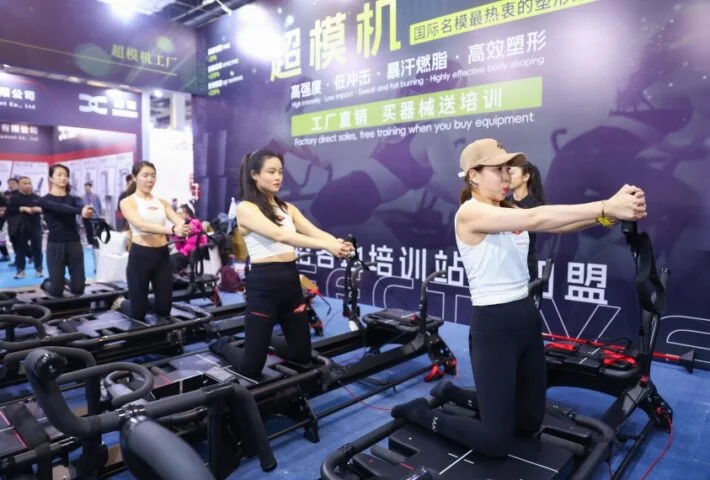
- CIST Shanghai 2026 – China Shanghai International Sports and Leisure Expo Fri, March 13, 2026, 9:00 amGet TicketFREE | REGISTER | CAN CANCEL ANY TIME

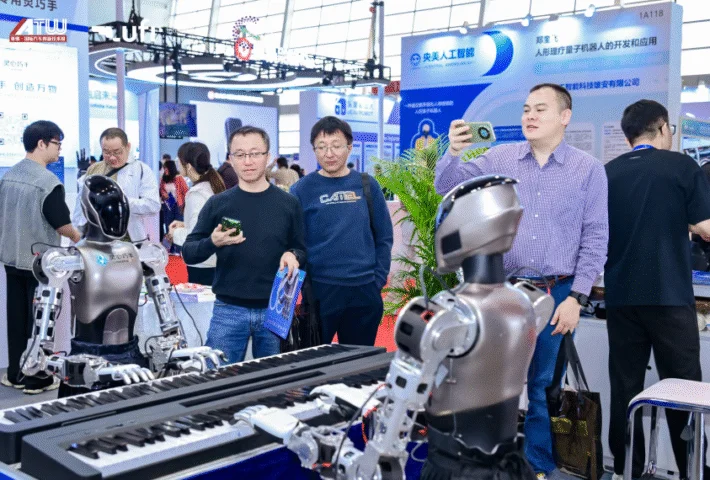
- Promotional Partner Robotics2026 The 3rd China Embodied Intelligent Robot Industry Conference and Exhibition Wed, March 11, 2026, 9:00 amUTC+8 Hangzhou , ChinaGet Ticket
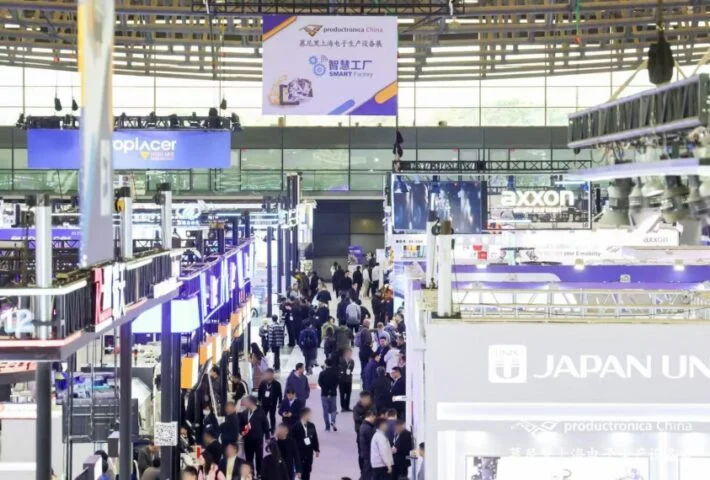
- Electric & Electronics Promotional Partnerproductronica China 2026 Wed, March 25, 2026, 9:00 amAsia/Shanghai Shanghai , ChinaGet TicketFREE | REGISTER | CAN CANCEL ANY TIME
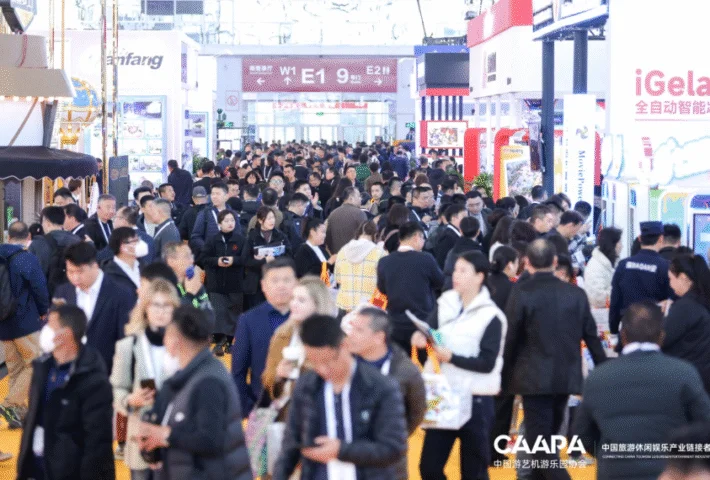
- Amusement Tehnology Promotional PartnerChina Beijing Attractions Expo 2026 Thu, March 19, 2026, 9:30 amUTC+8 Beijing , ChinaGet TicketFREE | REGISTER | CAN CANCEL ANY TIME
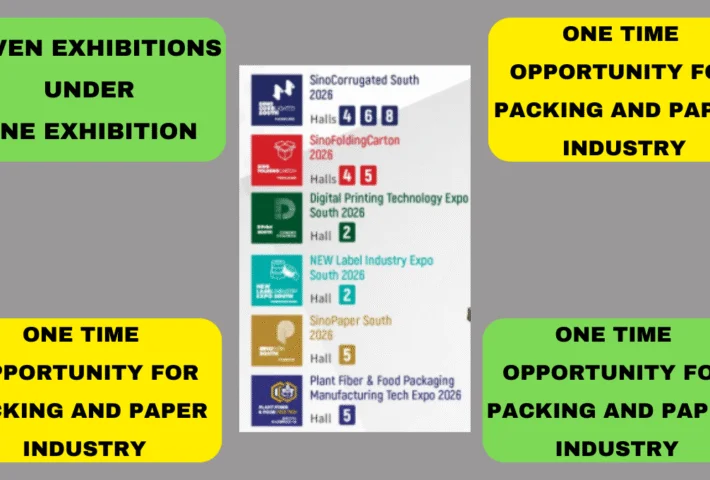
- Exhibitions Packing & Packaging Paper Promotional PartnerWEPACK 2026 – Global Packaging Industry Exhibition Wed, April 15, 2026, 9:00 am Shenzhen , ChinaGet Ticket
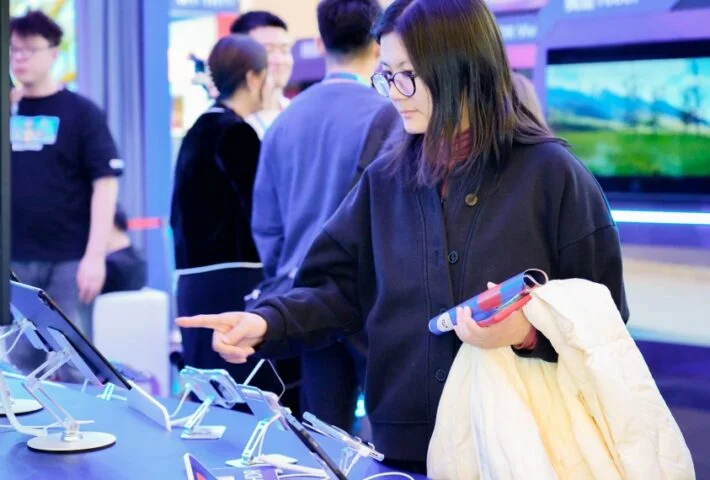
- Electric & Electronics Exhibitions Promotional PartnerAWE2026 Thu, March 12, 2026, 9:00 amAsia/ShanghaiGet TicketFREE | REGISTER | CAN CANCEL ANY TIME
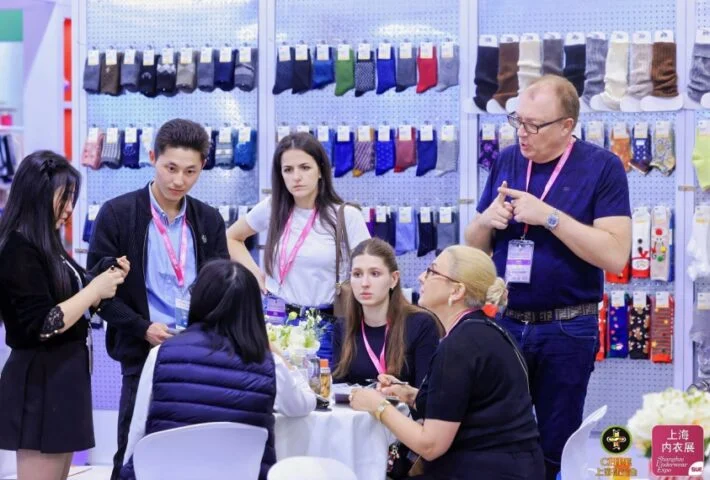
- Clothing and Apparels Hosiery Promotional PartnerShanghai International Hosiery Purchasing Expo CHPE 2026 Mon, March 23, 2026, 9:00 amAsia/Shanghai Shanghai , ChinaGet TicketFREE | REGISTER | CAN CANCEL ANY TIME
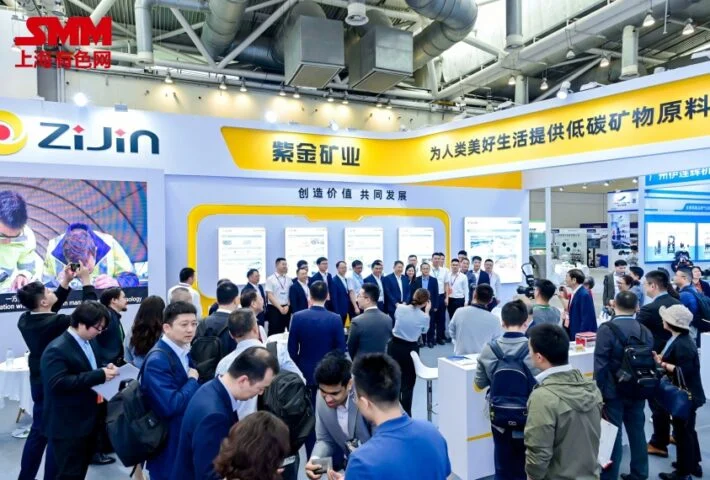
- Energy Process Energy Sources Exhibitions Promotional PartnerCLNB 2026 – The 11th New Energy Industry Chain Expo Wed, April 8, 2026, 9:00 amUTC+8 Suzhou , ChinaGet TicketBOOK ASAP | CAN CANCEL ANY TIME
- Exhibitions Jewelery Promotional PartnerShanghai International Fashion Jewelry Expo 2026 Mon, March 23, 2026, 9:00 amAsia/Shanghai Shanghai , ChinaGet TicketFREE REGISTRATION

(These events are active listings on InternationalExhibitions.in — use each event page for dates, exhibitor lists and registration links.)
✈️ How to Reach Main Chinese Airports from the U.S.
Direct connections exist from major U.S. hubs into China (routes and frequencies change seasonally — always confirm schedules):
- Los Angeles (LAX) → Shanghai Pudong (PVG) — several carriers operate direct services; convenient for eastern China shows.
- San Francisco (SFO) → Beijing (PEK/PKX) — direct flights link the west coast to the capital/nearby hubs.
- New York (JFK) / Newark (EWR) → Beijing / Shanghai — useful for East Coast teams.
- Chicago (ORD) → Shanghai / Beijing — Midwest access to major expos.
- Domestic connections — once in China, high-speed rail and short domestic flights (PVG↔CAN↔KMG etc.) make multi-city show trips feasible. (Check domestic carriers and train timetables.)
✅ Seven Things to Do Before You Plan Your China Trade-Show Trip
- Confirm Visitor Eligibility & Register Early: secure professional visitor badges online — many shows gatekeep access for trade buyers.
- Apply for the Correct Visa (Business M/Q): check the latest China visa rules and documentation (invitation letters, passport validity). Start early — processing times vary.
- Set Clear Sourcing Objectives: make a supplier list, product specs, target price points and minimum order quantities before you land.
- Book Freight & Logistics Contacts: get quotes from freight forwarders and understand customs rules for U.S. import — don’t leave logistics to the last minute.
- Arrange Language Support: line up an interpreter or bilingual sourcing agent familiar with industry jargon.
- Plan Finance & Payment Terms: decide on payment methods (L/C, T/T), invoicing currency, and be ready to verify supplier banking details.
- Schedule Factory Visits & QC Checks: if you’ll inspect factories, book inspections and factory visits in advance to avoid weekday scheduling conflicts.
⚠️ Seven Major Issues U.S. Buyers Should Resolve Before Negotiations
- Tariff & Regulatory Exposure: understand current U.S.–China tariff measures affecting your product lines — they can change landed cost dramatically. (Recent market reporting shows tariff shocks hitting some commodity flows.)
- IP & Brand Protection: register trademarks, insist on clear IP terms, and consider product design protections or third-party audits.
- Quality Standards & Certifications: set test standards (CE, FDA, ASTM, etc.) up front and ask manufacturers for certificates.
- Supply-Chain Reliability: verify lead times, multiple sources, and contingency plans for delays.
- Payment Security & Banking Verification: avoid unusual wire instructions; confirm bank details with a secondary channel.
- Shipping & Incoterms: clarify Incoterms (FOB, CIF, DDP) and who bears which risk and cost.
- Customs Classification & Documentation: ensure HS codes, export licenses, and labelling comply with U.S. import rules to avoid seizures or delays.
🚫 Seven Things to Avoid After Landing in China
- Don’t Accept Verbal-only Promises — get MOQ, lead time and quality specs in writing.
- Don’t Rely on Cash-only Sellers — insist on transparent invoicing and bank transfers for traceability.
- Don’t Skip Factory Audits if a large order is on the table.
- Don’t Ignore Local Regulations — labelling, batteries, chemicals need compliant documentation.
- Don’t Underestimate Language Gaps — assume a translator is needed for contract fine print.
- Avoid Last-Minute Shipping Decisions — port congestion or peak seasons inflate costs; lock freight early.
- Don’t Ignore Geo-political Signals — sudden policy moves can affect trade lanes; monitor reputable news sources.
💸 Per-Day Expense Snapshot (USD, business traveler)
- Hotel (business): $80–$200
- Meals: $20–$60
- Local transport: $10–$40
- Translator / agent: $50–$150/day (if needed)
- Incidentals/Sim card: $10–$30
(Shanghai and Guangzhou skew higher; smaller cities like Kunming tend to be cheaper.)
🏙 Top Cities & Must-visit Markets
- Shanghai — financial & expo hub; home to SWOP and textile/printing expos.
- Guangzhou — Canton Fair ecosystem and massive wholesale districts; don’t miss nearby wholesale markets.
- Shenzhen — electronics and components powerhouse.
- Yiwu — world’s largest small-commodity market — essential for low-SKU variety sourcing.
- Kunming — floral & horticulture niche expos.
Final (Actionable) Checklist — before you go
- Register & get the right visa.
- Lock meeting schedule & book freight/inspection partners.
- Confirm tariffs, labeling and shipping rules for your product category.